
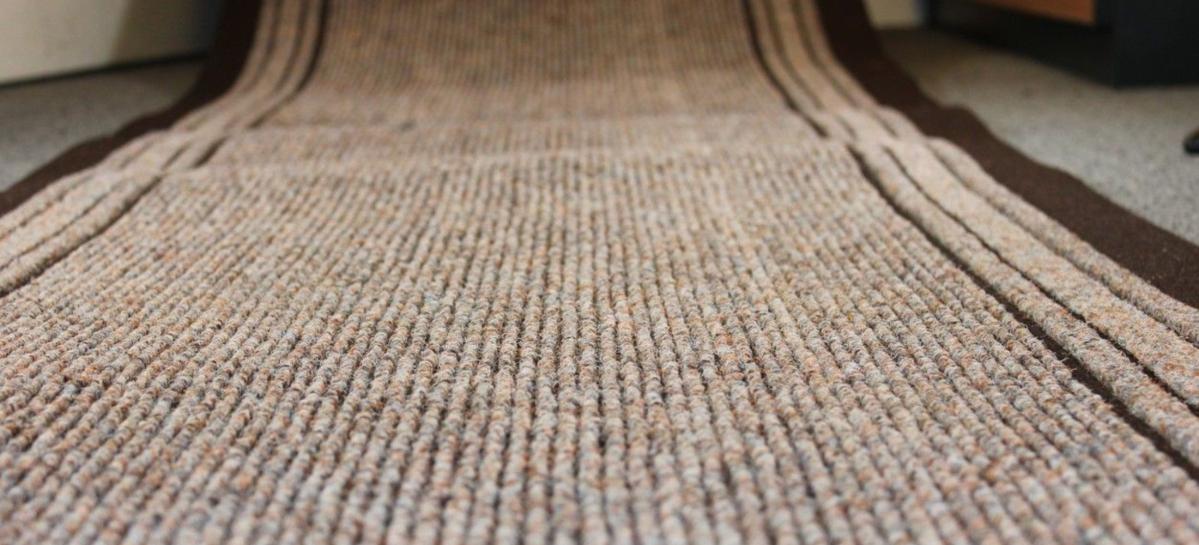
Schools and colleges experience constant foot traffic throughout the day, with pupils, students, teachers, staff, and visitors moving through entrances, corridors and shared areas. This repeated use can place considerable demands on flooring, particularly in routes connecting entrances with classrooms, offices and communal areas.
Floor runners can provide an additional layer of protection in these busy areas. Used in the right locations, they can help reduce everyday wear, manage some of the dirt and moisture brought indoors and contribute to a more presentable interior. However, choosing the right runner is important, particularly in an educational environment where safety, maintenance and durability all need to be considered.
Where Floor Runners Can Be Used
Floor runners can be useful in several areas of schools, colleges, and other educational buildings.
Busy Corridors
Corridors often experience continuous movement throughout the day. A runner can be used along particularly busy routes to provide additional coverage over the existing flooring and help concentrate protection where it is most needed. This can be especially useful between entrances and classrooms, around reception areas or along long internal walkways. Rather than covering an entire building, runners allow schools to focus on areas that experience the greatest amount of foot traffic.
Reception Areas and Walkways
Reception areas are often among the first parts of a building visitors encounter, whilst connecting walkways can experience regular movement throughout the day. A suitable runner can help protect these surfaces whilst also contributing to the appearance of the setting. The exact requirements will depend on the location. A runner near an entrance may need to deal with more moisture and outdoor debris, whilst one further inside the building may be primarily used to help manage repeated foot traffic.
Floor Runners vs Entrance Matting
Floor runners should not be considered a replacement for dedicated entrance matting. Entrance matting is designed to help remove dirt and moisture from footwear as people enter a building. A runner positioned further inside can then provide additional coverage along the route that people take afterwards. Using both can create a more practical approach to managing tracked-in dirt and moisture. The entrance mat deals with the initial transition from outside to inside, whilst the runner can help protect busy internal areas.
What to Look for in a School Floor Runner
Not every runner will be suitable for every educational environment. Before choosing one, consider where it will be installed, how much foot traffic it will receive, and what type of flooring is underneath.
Size and Placement
Measure the area carefully before ordering. A runner should cover the intended walking route without obstructing doorways or creating unnecessary restrictions around entrances and corridors. Length and width are particularly important in long hallways, whilst the position of the runner should allow people to move naturally through the area.
Backing and Stability
A runner needs to remain securely positioned during normal use. Consider the backing and construction of the product and whether they are appropriate for the floor underneath. Edges should also sit flat, with no curling or movement that could create a potential trip hazard. Regular checks are important, particularly in areas with heavy daily traffic.
The Existing Floor
The flooring beneath the runner can affect which product is appropriate. Schools and colleges may have different surfaces throughout their buildings, including hard flooring, vinyl, tile, and other commercial floor coverings. Always check that the runner is suitable for the intended surface and follow the manufacturer's recommendations for installation and use.
Cleaning and Maintenance
Educational buildings require regular cleaning, so a runner should fit comfortably into the existing maintenance routine. Consider how easily it can be vacuumed or cleaned and what care the manufacturer recommends. A runner that is regularly maintained is more likely to remain presentable and continue performing as intended.
Managing Dirt and Moisture
Rainwater, mud, grit, and other outdoor debris can quickly be carried into schools and colleges during wet weather. Suitable entrance matting can help reduce this transfer, whilst internal runners can provide additional coverage along heavily used routes. Runners should not be expected to eliminate dirt or moisture completely. Instead, they form part of a wider flooring strategy that includes suitable entrance matting, routine cleaning and appropriate maintenance of the surrounding floor.
Choosing Colours and Patterns
Performance should be the priority when selecting a runner, but appearance also matters. Schools and colleges can choose colours and patterns that complement their existing interiors, particularly in reception areas and prominent corridors. A more understated design can blend into the surrounding flooring, whilst patterned runners can add visual interest. The choice may also depend on the character of the building and whether the runner is intended to be subtle or more noticeable.
Maintaining Runners in Schools and Colleges
Regular inspections should form part of general flooring maintenance. Check for excessive wear, damage, movement and curling edges, particularly in areas with heavy footfall. Dirt and moisture should also be removed according to the manufacturer's cleaning recommendations. If a runner becomes damaged or no longer sits securely, it should be assessed and replaced where necessary.
Floor Runners from Commercial Matting
At Commercial Matting, we offer a wide range of floor runners in different colours, patterns, and styles, giving schools and colleges plenty of choice when protecting busy corridors, hallways, and other high-traffic areas. Our range includes smart striped patterned mats for a more traditional and understated appearance, as well as pebble designs that add greater visual interest and a distinctive touch to your interiors. Whether you need runners for a school entrance, college corridor or another busy walkway, contact our team today to discuss your requirements and find the right floor runner for your setting. Alternatively, you can browse our website to view all our matting products.
Summary
Floor runners can be a useful addition to schools and colleges where particular corridors, entrances and walkways experience heavy foot traffic. The right choice should take into account the location, size, floor surface, stability, cleaning requirements and expected level of use. When used alongside suitable entrance matting and a regular maintenance routine, floor runners can help protect busy internal areas whilst keeping educational buildings looking clean and well maintained.