
Floor protection plays a major role in maintaining clean, safe, and professional commercial environments. In busy buildings where people move constantly between entrances, corridors, reception areas, and shared walkways, flooring is exposed to regular wear from dirt, moisture, and heavy foot traffic. Without the right support in place, this can quickly affect both the appearance and condition of the interior. This is why commercial matting is such an important part of building management. However, many businesses make the mistake of treating all matting as though it serves the same purpose. In reality, different areas within a building require different types of matting to perform effectively. Two of the most commonly used options are entrance mats and hall mats, and whilst they may appear similar at first glance, they are designed to perform very different roles.
Entrance mats are primarily focused on stopping dirt and moisture at the point of entry, helping prevent outdoor debris from spreading through the building. Hall mats, on the other hand, are designed to support internal walkways, helping maintain cleaner corridors whilst also contributing to presentation, comfort, and floor protection. Fully understanding the differences between the two allows businesses to create more effective flooring systems that support cleanliness, safety, and overall appearance throughout the premises. Let’s explore these differences in more detail in order to make sure you can find the ideal flooring solution for your business.
What Are Entrance Mats?
Entrance mats are positioned directly inside, and sometimes outside, commercial entry points. Their main role is to capture dirt, moisture, grit, and debris as soon as people enter the building. These mats are designed to deal with the harshest conditions. Outdoor contaminants such as mud, rainwater, dust, leaves, and small stones are all introduced through entrances, particularly during periods of wet weather. Without effective entrance matting, this debris is quickly carried across surrounding flooring surfaces.
Because of this, entrance mats are usually made from durable, hard-wearing materials capable of scraping dirt from footwear effectively. Their surfaces are designed for performance first, with strong fibres or textured finishes that help trap debris before it spreads further into the building. In commercial spaces with high levels of traffic, entrance mats are essential for maintaining cleaner interiors and reducing the strain placed on cleaning routines.
The Main Purpose of Entrance Mats
The primary function of entrance mats is dirt and moisture control. Every person entering a building can bring in contaminants from outside, and entrance matting acts as the first barrier against this. By trapping debris immediately at the entrance, these mats help reduce the amount of dirt carried deeper into the building. This improves cleanliness throughout the premises whilst also helping protect surrounding flooring from damage caused by grit and moisture.
Entrance mats also contribute to safety. Wet floors near doorways can become slippery very quickly, particularly in busy commercial environments. Absorbent and textured matting helps reduce the spread of moisture, lowering the likelihood of slips and falls. In addition, entrance mats help reduce long-term cleaning and maintenance costs. By controlling dirt at the source, businesses can reduce the amount of time and effort required to clean corridors, reception areas, and communal spaces.
What Are Hall Mats?
Hall mats are designed for internal areas such as corridors, hallways, walkways, and transitional spaces within commercial buildings. Unlike entrance mats, which focus heavily on dirt scraping, hall mats are designed to support the ongoing cleanliness and appearance of indoor environments. These mats are often positioned further inside the building, where foot traffic remains high but conditions are generally cleaner and drier compared to entrances. Their role is to continue managing any remaining dirt or moisture whilst also protecting flooring from wear caused by repeated movement.
Hall mats are particularly useful in large commercial premises where people regularly move between different departments or shared spaces. Office buildings, schools, hospitality venues, and public buildings often rely on hall mats to maintain cleaner and more organised walkways.
The Main Purpose of Hall Mats
Hall mats serve several important functions within commercial spaces. Firstly, they help maintain cleanliness by catching any remaining dirt or moisture not removed at the entrance. This prevents contaminants from spreading further into the building. Secondly, hall mats help protect internal flooring surfaces from wear. Corridors and walkways experience repeated daily traffic, and over time this can lead to visible signs of damage on carpets, laminate, tiles, or wooden flooring. Hall mats provide a protective layer that helps reduce this impact.
Hall mats also contribute to presentation. Unlike entrance mats, which are often focused mainly on practicality, hall mats are usually chosen with appearance in mind as well. Colours, patterns, and finishes can all help complement the surrounding interior whilst creating a cleaner and more organised look. In addition, hall mats support safety by providing extra grip in busy internal areas, helping reduce slips in corridors or shared spaces.
Why Businesses Often Need Both
One misconception surrounding commercial matting is that a single mat can manage every requirement within the building. In reality, entrance mats and hall mats work best when used together as part of a wider flooring strategy. Entrance mats can deal with the initial impact of outdoor dirt and moisture, whilst hall mats continue this protection deeper into the building. Together, they help create a gradual system that controls contamination more effectively than relying on a single mat alone.
For example, a customer entering a retail store may wipe the majority of moisture from their footwear on the entrance mat, but smaller particles and traces of dirt may still remain. Hall mats positioned within walkways help capture what is left before it reaches other flooring areas. This layered approach improves cleanliness, protects flooring more effectively, and supports a safer environment overall.
Different Areas Require Different Features
Another reason businesses often require both types of matting is that different locations demand different features. Entrance mats need to prioritise strength, scraping power, and moisture control. They must withstand direct exposure to outdoor conditions and high levels of debris. Hall mats, however, are often selected based on appearance, comfort, and internal floor protection. Since they are positioned indoors, businesses may place greater focus on how they complement the interior design of the building. Using the correct mat in the correct location ensures that each area performs effectively whilst maintaining a professional appearance throughout the premises.
Supporting Professional Presentation
Commercial interiors play a major role in how a business is perceived. Dirty floors, worn walkways, or poorly maintained entrances can quickly affect first impressions. By combining entrance mats and hall mats effectively, businesses can create interiors that remain cleaner, more organised, and visually consistent. This contributes to a more professional environment for staff, visitors, and customers alike. Well-chosen matting also helps define walkways and entry points, creating a more structured and polished appearance throughout the building.
Entrance and Hall Mats from Commercial Matting
At Commercial Matting, we offer a wide range of entrance mats designed to help businesses manage dirt and moisture effectively from the moment people enter the building. Our entrance matting is available in a variety of materials, including coir and synthetic fibre options, allowing businesses to choose solutions that suit their specific environment and traffic levels. These mats are designed to provide strong scraping performance whilst helping maintain cleaner and safer entrances throughout the year. Our entrance mats also come with durable PVC backings that help reduce the chances of slipping or shifting during use. This added stability helps keep the mat securely in position, even in busy commercial environments with heavy foot traffic. By combining strength, grip, and dirt-trapping performance, our entrance mats provide a reliable first line of defence against outdoor debris.
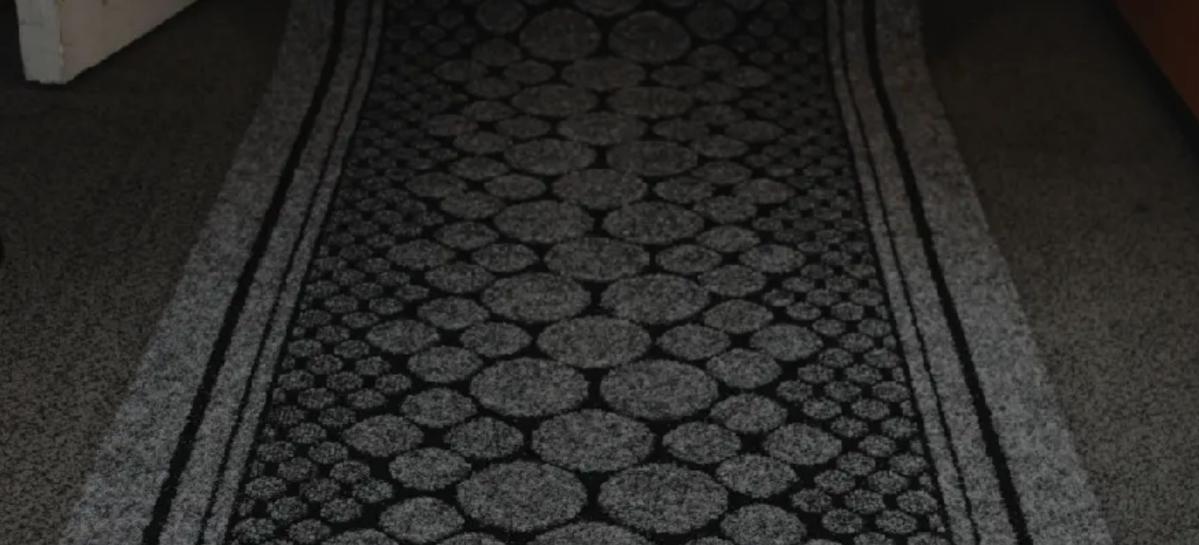
We also offer a wide selection of hall mats designed to support internal walkways and corridors across commercial premises. Available in a variety of attractive colours and patterns, including striped designs and pebble-effect finishes, our hall mats help businesses maintain cleaner interiors whilst also complementing the overall appearance of the space. Designed for busy commercial use, these mats feature durable waffle gel backings that provide exceptional grip on internal flooring surfaces. This helps reduce movement whilst supporting safer walkways in high-traffic areas. Whether used in offices, schools, hospitality settings, or shared commercial buildings, our hall mats combine a practical nature with visual appeal to help create cleaner and more organised interiors. Discover our entrance and hall mats today by browsing our website, or contact us if you have any questions.
Final Summary
Entrance mats and hall mats may both contribute to cleaner commercial environments, but they are designed to perform different roles within the building. Entrance mats focus on stopping dirt and moisture at the source, whilst hall mats continue floor protection and cleanliness throughout internal walkways. By understanding the difference between the two and using them together effectively, businesses can improve cleanliness, reduce maintenance requirements, protect flooring, and maintain a more professional appearance across the entire premises.