
For businesses, sustainability is becoming less of an option and more of an expectation. From retail chains to schools, organisations are under increasing pressure to reduce waste, minimise their environmental footprint, and use materials and products that fit into a more circular economy.
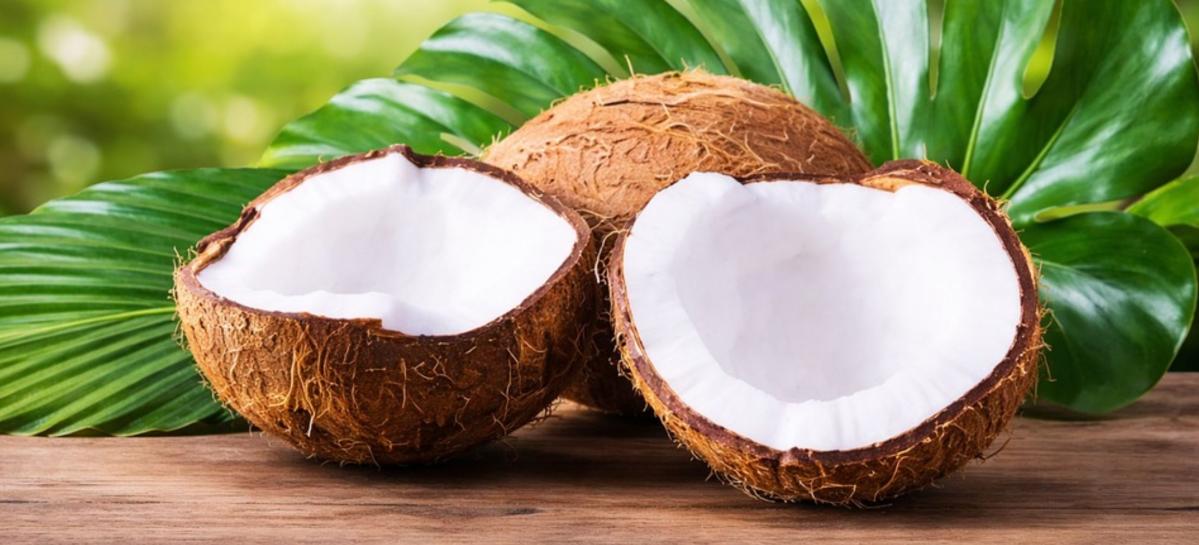
One product that’s gaining significant attention is the coconut mat, which is made from the natural fibres of coconut husks (also known as coir). Coconut mats are more than just durable and practical, now representing a shift towards materials that are renewable, biodegradable, and aligned with sustainable business practices. Let’s find out more about how coconut mats embody the principles of the circular economy.
What Is the Circular Economy?
The “circular economy” refers to a system where resources are used efficiently, products are designed to last, and waste is minimised through reuse, recycling, and regeneration. It’s a direct response to the traditional linear model that dominates many industries. In essence, the linear model involves extracting resources, turning them into products, using them, then discarding them into landfill. On the other hand, the circular model involves creating products from renewable or recycled resources, using them for as long as possible, and eventually returning them safely into the environment.
For businesses, adopting circular economy practices means not only reducing waste but also meeting regulatory requirements, improving brand reputation, and often cutting costs, making it beneficial in a multitude of ways.
How Coconut Mats Fit the Circular Economy Model
Coconut mats are a notable example of circular design in action. By taking a common and natural by-product and transforming it into a high-value item like matting, the industry reduces resource inefficiency and makes sure every part of the coconut is being used. Coir mats are also biodegradable, meaning they can break down naturally when disposed of, returning nutrients to the soil and reducing waste that could otherwise stay in a landfill for decades. The production process for coconut mats is environmentally friendly, too, requiring minimal chemical processing.
Beyond the Circular Economy: Additional Benefits of Coconut Mats
Whilst the sustainability of coir mats is certainly one of the main reasons for their appeal, there are also many other benefits on offer which prove that choosing a sustainable matting option doesn’t mean you have to compromise on performance or quality.
Superior Strength in Demanding Settings
Coconut mats are built to last. Their natural coir fibres are exceptionally strong and can handle heavy footfall without losing their structure. This makes them ideal for busy commercial entrances, retail stores, and office buildings where hundreds of people may pass through every single day.
Low Maintenance and Easy Care
Another notable benefit is how simple coconut mats are to maintain. Coir naturally resists dirt penetration, meaning debris tends to sit on the surface rather than becoming embedded in between fibres. This can make cleaning quick and straightforward, usually only requiring a simple shake, vacuum, or brush. Also, the fibres are naturally resistant to mould and bacteria, meaning they can stay fresher for longer, reducing the need for constant upkeep.
Superior Moisture Absorption
Coconut mats are brilliant at absorbing moisture, so when people step onto the mat with wet shoes, the fibres can quickly wick away the water, helping to dry footwear quickly whilst keeping the surrounding floors cleaner and safer. This is particularly valuable for businesses operating in climates where rain is frequent or for industries where wet conditions are common, such as hospitality or leisure facilities. By preventing water from being tracked indoors, coconut mats help reduce slip hazards and protect flooring surfaces, both of which are important for maintaining safety.
A Natural, Eco-Friendly Appearance
Beyond practical uses, coconut mats have a distinctive natural look that can enhance the visual appeal of a commercial setting. The warm, earthy tones of natural coir can create a welcoming impression, whilst the mats themselves can signal to visitors that the business values sustainability, helping boost their image.
High-Quality Coconut Mats from Commercial Matting
If you’re looking for high-quality coconut mats, Commercial Matting has a large collection for you to explore. Made from natural coir fibres, these mats are tough on dirt and moisture, effectively scraping shoes clean before people enter the building. This not only helps keep interiors looking pristine but also helps protect flooring from unnecessary wear, and thanks to their sustainability, they’re a practical choice for businesses aiming to improve their eco-friendliness without compromising on performance. Our coconut mats also come in a variety of sizes and colours so that businesses can find a solution tailored to their setting, whether that’s a small retail shop, a large, modern corporate office, or a more traditional hospitality venue. Discover the full collection today, or call 01772 330051 if you need any assistance.
Final Thoughts
Coconut mats are a great example of how businesses can embrace the circular economy without compromising on quality, performance, or style. By turning a natural by-product into a durable, versatile item, coconut mats help reduce waste, minimise environmental impact, and support a more sustainable way of operating.
For industries ranging from retail and hospitality to corporate offices and construction, coconut mats provide a practical solution that combines strength, low maintenance, excellent moisture absorption, and eco-credentials. They not only enhance safety and cleanliness but also send a clear message to staff, clients, and visitors that your business is committed to helping create a greener, more responsible future.