
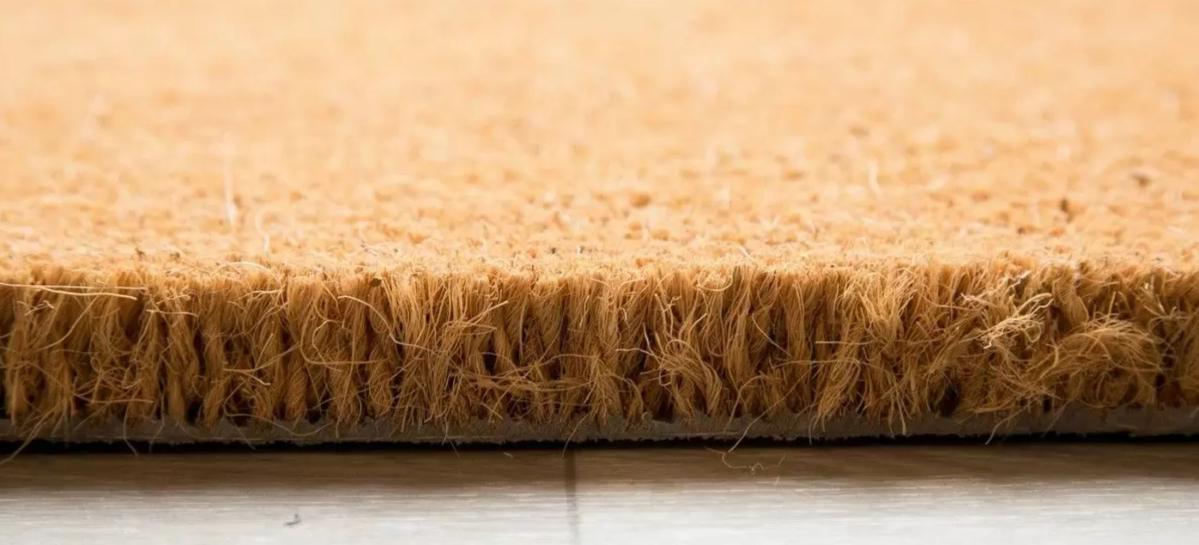
Cut-to-size coir matting allows businesses to order entrance matting to suit the dimensions of a particular space, rather than relying on standard sizes. This can be especially useful for recessed mat wells, wide doorways, unusually shaped entrances, or areas requiring greater coverage. Choosing the right dimensions is important, but size is only one consideration. The installation method, available depth, expected foot traffic, door clearance, and required finish can all affect which coir matting is appropriate.
Why Choose Cut-to-Size Coir Matting?
Standard mats are supplied in predetermined dimensions, which may not correspond closely with the entrance area available. A mat that is too small can leave unnecessary sections of flooring exposed, whilst an oversized mat may not sit correctly within the intended area.
Made-to-measure coir provides greater control over the finished dimensions. This can be particularly useful in commercial buildings, where entrances can range from compact office doorways to wide retail, hotel, or school entrances. A correctly specified mat can provide more consistent coverage and create a neater transition between the entrance flooring and surrounding surface.
How to Measure for Made-to-Measure Coir Matting
Accurate measurements are essential when ordering a cut-to-size mat.
Measure Width and Length
Measure the available area carefully, taking measurements at several points where possible. Older or heavily used mat wells may not be perfectly square, so checking more than one point can help identify variations. For unusual shapes, provide detailed measurements or discuss the requirements with the supplier before ordering.
Check the Mat Well Depth
For recessed installations, measure the internal depth of the mat well as well as its width and length. This helps determine which coir thickness is appropriate for the available space. Do not automatically choose the thickest mat available. The finished product needs to work with the recess and surrounding floor level.
Check Door Clearance
Door movement should also be considered. The finished mat needs to sit at an appropriate height so doors can open and close without catching against the surface. Check thresholds, door swings, and surrounding flooring before finalising the specification.
Confirm Fitting Tolerances
Do not assume that the mat should automatically be manufactured to exactly the same dimensions as the recess. Before ordering, check the supplier's guidance on fitting tolerances and the allowance required for installation.
This is particularly important where the mat is being fitted into a fixed recess.
Choosing the Right Coir Depth
Coir matting is available in different depths, so the correct option should be selected according to the installation requirements rather than simply choosing the deepest product. For recessed applications, the mat needs to be compatible with the available well depth and surrounding floor level. Shallower options may be more appropriate where there is limited recess depth, whilst deeper products may be suitable where the installation has sufficient space.
The expected level of foot traffic should also be considered alongside the product's construction, backing, and specification. For demanding commercial entrances, the overall suitability of the matting system is more important than depth alone.
How Coir Performs at an Entrance
Coir is a natural fibre made from the outer husk of coconuts. Its coarse texture makes it particularly useful for scraping dirt, grit, and other loose debris from footwear as people enter a building. Coir can also take up some surface moisture, although its primary strength is its scraping action. Entrances exposed to substantial amounts of water may require additional moisture-control matting or a different entrance system.
Regular cleaning is important, too. Dirt and debris collected by the fibres should be removed so the mat can continue to perform effectively. Cleaning requirements should always follow the manufacturer's recommendations.
Do You Need Ramped Edges?
Ramped edging creates a sloped border around a loose-laid mat, providing a more gradual transition between the coir and surrounding floor. This can be useful in busy entrances where people regularly walk across the mat. Rubber is commonly used for ramped edging, although the appropriate specification will depend on the location, surrounding floor, and expected traffic.
What to Check Before Ordering
Before ordering cut-to-size coir matting, consider:
- The exact width and length of the available area.
- The depth of any recessed mat well.
- Whether the mat will be recessed or loose-laid.
- Measurements at several points if the area is irregular.
- Door and threshold clearance.
- The supplier's recommended fitting tolerance.
- The expected level of foot traffic.
- The required colour and appearance.
- Whether ramped edging is required.
- Whether branding or a logo is available.
- How the mat will be cleaned and maintained.
- Whether the entrance experiences significant moisture.
Made-to-Measure Coir Mats from Commercial Matting
At Commercial Matting, our cut-to-size coir mats can be produced to suit a wide range of commercial entrance requirements. Sizes range from 20 cm × 20 cm up to 200 cm × 1,200 cm, providing options for compact entrances and much larger areas.
A choice of colours and depths is available, allowing businesses to consider both the appearance of the mat and the requirements of the installation. Where appropriate, ramped edging and other options can also be considered to create a finished entrance system suited to the building.
If you need advice on dimensions, depth, installation, or other requirements, get in touch with Commercial Matting to discuss your project. You can also browse our website to explore our entrance matting options.
Getting the Right Fit for Your Entrance
Cut-to-size coir matting gives businesses greater control over the dimensions and specifications of their entrance flooring. For recessed wells, wide doorways, unusual areas, or larger commercial entrances, made-to-measure matting can provide a more appropriate solution than relying on standard sizes.
Accurate measurements, the correct depth, supplier-recommended fitting tolerances, suitable edging, and the right installation method should all be considered before ordering. Taking the time to get these details right can help create an entrance matting solution that is practical, well-finished, and suited to the demands of the building.