
The entrance to a building is one of the most frequently used areas within any commercial environment. From retail stores to office buildings and schools, the entrance acts as the main point where visitors, staff, and customers transition from the outside environment into the interior. Because of this constant movement, entrances are often exposed to high levels of dirt, moisture, and debris.
Maintaining these areas can therefore present an ongoing challenge for businesses and facility managers. Dirt from pavements, grit from car parks, dust from surrounding areas, and moisture from rain or wet weather can quickly be carried into a building on the soles of shoes. Once inside, these materials can spread across reception areas, corridors, and other interior spaces, increasing cleaning demands and potentially affecting the appearance of the premises. One of the most effective ways to manage this issue is through the use of coir matting. Widely used in commercial entrances, coir matting helps remove debris from footwear before it enters the building. By intercepting dirt at the doorway, it supports cleaner floors, reduces maintenance demands, and helps businesses maintain tidy and professional entrance areas. Let’s explore the common challenges in maintaining commercial entrances and how coir matting can address them.
Common Challenges in Maintaining Commercial Entrances
-
High Foot Traffic
In many buildings, entrances are used continuously throughout the day. Staff arriving for work, customers visiting a shop, clients attending meetings, and delivery personnel accessing the building all contribute to regular foot traffic. With each person entering the building, there is the potential for dirt and debris to be carried indoors. Over time, even small amounts of dirt can accumulate quickly, particularly in busy environments where hundreds or even thousands of people may pass through the entrance each day.
-
Dirt and Grit from Outdoor Surfaces
Outdoor environments naturally contain a wide range of materials that can become attached to footwear. These include soil, dust, sand, small stones, and grit from surrounding surfaces such as pavements or car parks. When these materials are walked across interior flooring, they can spread across larger areas of the building. In addition to affecting cleanliness, abrasive particles like grit can gradually cause scratches or wear on flooring surfaces.
-
Moisture During Wet Weather
In the UK, rain and damp weather are common throughout much of the year. When people enter buildings with wet footwear, moisture can easily transfer onto interior floors. This can create slippery conditions near entrances and increase the risk of slips. Wet conditions can also make dirt more difficult to manage, as mud and damp debris are more likely to spread across floors rather than remaining contained in one area.
The Role of Coir Matting in Entrance Maintenance
-
Natural Scraping Properties
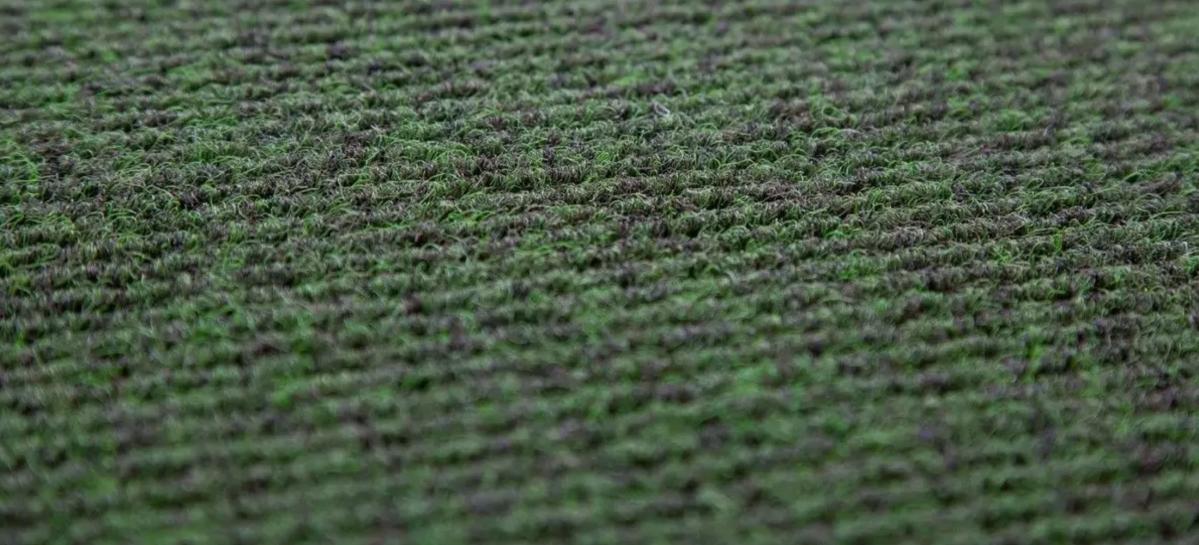
Coir matting is produced from the fibres of coconut husks. These fibres are naturally coarse and durable, which makes them particularly effective for scraping dirt from the soles of shoes. When someone walks across coir matting, the stiff fibres work against the shoe tread to loosen and remove particles such as dust, soil, and grit. This debris then becomes trapped within the fibres of the mat rather than being carried further into the building.
-
Containing Debris at the Entrance
By capturing dirt at the doorway, coir matting helps contain debris within a small and manageable area. Instead of spreading across reception areas, hallways, and other interior spaces, the dirt remains concentrated within the matting. This containment makes it much easier for cleaning teams to manage debris, as it can be removed directly from the mat rather than requiring extensive cleaning across large floor areas.
-
Supporting Cleaner Interior Spaces
When entrances are properly equipped with effective matting, significantly less dirt enters the building. This helps maintain cleaner interior spaces throughout the day, even in buildings that experience heavy foot traffic. Reception areas, corridors, and communal spaces benefit from reduced dirt transfer, helping businesses maintain a tidy and professional environment for both staff and visitors.
How Coir Matting Can Reduce Maintenance Work
-
Lower Cleaning Requirements
By removing debris at the entrance, coir matting reduces the amount of dirt that spreads across interior flooring. This means cleaning teams can spend less time sweeping, vacuuming, or mopping large areas of the building. Instead, cleaning efforts can be focused on maintaining the mat itself and performing routine cleaning tasks within the building.
-
Reduced Floor Wear
Grit and small stones can act as abrasive materials when walked across flooring surfaces. Over time, repeated foot traffic can cause visible wear, scratches, or dulling of floor finishes. By catching these particles at the entrance, coir matting helps protect interior flooring from unnecessary damage. This can extend the lifespan of flooring materials and reduce long-term maintenance costs.
-
Improved Efficiency for Cleaning Teams
Effective coir entrance matting supports cleaning teams by reducing the spread of debris throughout the building. Floors remain cleaner for longer periods, allowing cleaning staff to work more efficiently. In busy commercial environments, this improved efficiency can make a noticeable difference in maintaining a clean and presentable building.
Where Coir Matting Should Be Installed
To achieve the best results, coir matting should be placed in strategic locations where dirt is most likely to enter the building. The primary entrance is typically the most important location for matting. This is where the majority of visitors enter the building, making it the first opportunity to remove debris from footwear. Many buildings also have secondary entrances, such as staff entrances, side doors, or service access points. These areas can also introduce dirt into the building and should not be overlooked when planning entrance maintenance solutions. In some cases, additional matting may be installed in internal transition areas, such as between reception spaces and corridors. This can help capture any remaining debris before it spreads further into the building.
PVC-Backed Coir Mats from Commercial Matting
At Commercial Matting, we understand how important entrance maintenance is for businesses and commercial premises. Keeping entrances clean not only improves the appearance of a building but also helps reduce the amount of dirt and debris that spreads across interior floors. We offer a wide range of PVC-backed coir mats designed to perform effectively in busy commercial environments. These mats combine durable natural coir fibres with a strong PVC backing that helps keep them securely positioned underfoot. Our range is also available in a variety of tones, ranging from vibrant hues to traditional colours, allowing businesses to choose matting that suits their entrance areas whilst still benefiting from the effective dirt removal. Browse our website today to discover our full collection of coir matting, or call 01772 330051 if you need any assistance.
Final Thoughts
Entrance areas experience some of the highest levels of use within commercial buildings, making effective maintenance essential. Without proper solutions in place, dirt, grit, and moisture can quickly spread across interior spaces, increasing cleaning demands and affecting the appearance of the premises. Coir matting offers a practical and reliable way to address these challenges. By scraping debris from footwear and containing it at the entrance, it helps maintain cleaner floors, supports cleaning teams, and protects interior flooring from unnecessary wear. Although it may seem like a simple addition, well-chosen entrance matting can play a significant role in improving entrance maintenance. So, if your business is looking to maintain professional, clean, and well-managed premises, coir matting remains an effective and widely used solution that’s worth the investment.