
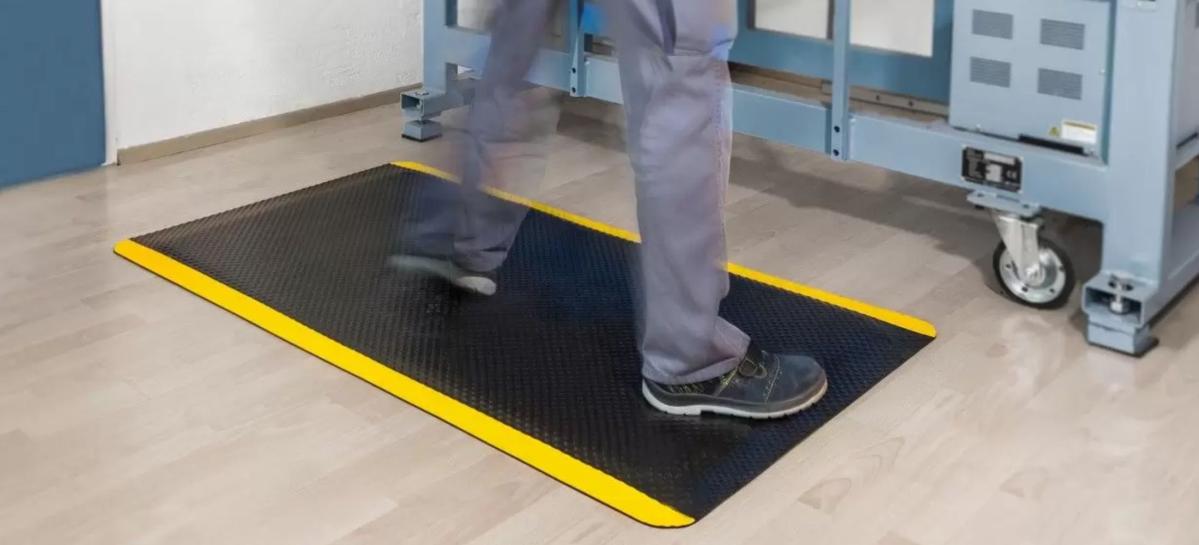
In recent years, staff wellbeing has become a core business priority, as many organisations are recognising that a healthy, supported workforce can be a lot more productive and engaged, and more likely to stay long-term. However, whilst wellbeing strategies often focus on mental health support, flexible working environments, or ergonomic seating, one crucial factor is still frequently overlooked, which is the physical strain caused by prolonged standing. Luckily, though, there’s an incredible solution on offer, known as anti-fatigue matting, that can address this issue. For businesses where employees spend hours on their feet, whether in retail, manufacturing, warehousing, hospitality, healthcare, or office environments with standing desks, anti-fatigue mats offer a simple yet highly effective way to improve comfort, reduce physical stress, and support overall wellbeing, and when integrated into a wider wellbeing strategy, they can deliver measurable benefits for both staff and employers. But what exactly are anti-fatigue mats, and how do they work?
What Are Anti-Fatigue Mats, and How Do They Work?
Anti-fatigue mats are special floor mats which are designed to reduce the physical stress placed on the body during long periods of standing. Unlike standard floor mats, which primarily focus on cleanliness or slip prevention, anti-fatigue mats are also built to provide cushioning and support. They are typically made from materials such as rubber, foam, or layered composites that respond to body weight and movement. It’s important to know, however, that despite being made for comfort, these mats can also do an excellent job at absorbing moisture and scraping away dirt, especially if they have patterned surfaces and are made from strong materials like rubber.
The key to how anti-fatigue mats work lies in their ability to encourage subtle, continuous muscle movement. When standing on a hard floor, muscles remain largely static, which can restrict blood flow and lead to fatigue, discomfort, and stiffness. Anti-fatigue mats, on the other hand, introduce a slightly unstable surface that prompts small, natural adjustments in posture. These micro-movements help improve circulation, reduce pressure on joints, and prevent muscles from becoming locked in one position. Over time, this is able to reduce the strain felt in the feet, legs, hips, and lower back, lowering fatigue and improving physical comfort.
Where Anti-Fatigue Mats Make an Especially Big Difference
Anti-fatigue matting is highly versatile and can be used across a wide range of workplace environments. In retail settings, for example, these mats can be placed behind tills, service counters, and customer service desks, where staff stand for long shifts with limited movement. In warehouses and industrial facilities, they may be placed at packing stations, assembly lines, and inspection points to reduce fatigue during repetitive tasks. Commercial kitchens and food preparation areas are another environment where long hours on hard floors are standard, and anti-fatigue mats are able to help kitchen staff maintain energy levels and reduce strain during physically demanding shifts. Offices with sit-stand desks also benefit from matting, as employees can then transition to standing work without placing unnecessary stress on their bodies.
The Wider Business Benefits of Supporting Physical Wellbeing
Whilst the primary purpose of anti-fatigue matting is to improve employee comfort, the benefits actually extend far beyond individual wellbeing. For instance, reduced physical strain often leads to fewer complaints of aches and pains, which can contribute to fewer absences and fewer short-term sick days, and in physically demanding roles, this can make a noticeable difference to overall workforce attendance. Improved comfort also supports productivity. Employees who are less fatigued are also better able to focus, maintain consistent performance, and complete tasks efficiently. In customer-facing roles, this can translate into better service quality, as staff are more alert and engaged throughout their shifts. From a risk management perspective, anti-fatigue mats can also contribute to a safer working environment. By reducing fatigue-related discomfort, employees are less likely to rush, lose focus, or adopt poor posture, all of which can increase the risk of injury.
Integrating Anti-Fatigue Mats into a Wider Wellbeing Strategy
Whilst anti-fatigue mats offer immediate relief from the strain of prolonged standing, they’re even more effective when used as part of a broader approach to workplace wellbeing. For example, pairing them with adjustable or height-appropriate workstations means employees can not only stand more comfortably but also work at comfortable heights. In environments with standing desks, this combination can make a significant difference to posture and circulation. Workplace education also plays a key role. When employees understand the physical impact of static posture and are encouraged to take short movement breaks, stretch, or alternate between sitting and standing, the effectiveness of anti-fatigue matting can be even greater. Small, regular movements, whether walking, shifting weight, or stretching, help increase blood flow and reduce tension, especially when supported by a cushioned surface underfoot. Additionally, anti-fatigue matting can be integrated into health and safety assessments. Businesses can review the areas where physical strain is most likely, such as service counters, packing stations, or prep areas, and introduce matting as a proactive measure.
Buy Anti-Fatigue Mats from Commercial Matting Today
So, if your business is looking to improve employee wellbeing with a simple, effective solution, then our range of anti-fatigue mats at Commercial Matting is worth exploring. Built to support staff who spend long hours on their feet, our mats come with hard-wearing and comfortable surfaces made from polypropylene, nylon, or rubber, making them suitable for everything from retail spaces and commercial offices to even warehouses and industrial workstations. Plus, each mat features low-profile edges and grip-enhanced backing to keep them firmly in place throughout the working day, helping reduce trip hazards and improve safety as well as wellbeing. We’re confident that our anti-fatigue mats are capable of reducing physical strain, boosting comfort, and most importantly, showing your team that their wellbeing matters. Explore our range of anti-fatigue mats today, or call 01772 330051 if you need any help.
Final Thoughts
Anti-fatigue matting might seem like a small addition to the workplace, but its impact on staff comfort, health, and overall wellbeing can be great. By reducing the physical strain associated with long periods of standing, these mats not only help prevent discomfort and fatigue but also support better posture, focus, and morale. Plus, when thoughtfully integrated into a wider wellbeing strategy, alongside ergonomic setups, movement breaks, and safe working practices, they can become even more valuable, helping create an even healthier and more productive work environment. So, for businesses that value their people, anti-fatigue mats are a simple yet powerful way to look after their wellbeing.